Anderson and Midgley:
Early Utah Photographers and the Mormon Landscape
Anderson and Midgley: Early Utah Photographers and the Mormon Landscape
October 3rd, 2026 - March 20th, 2027
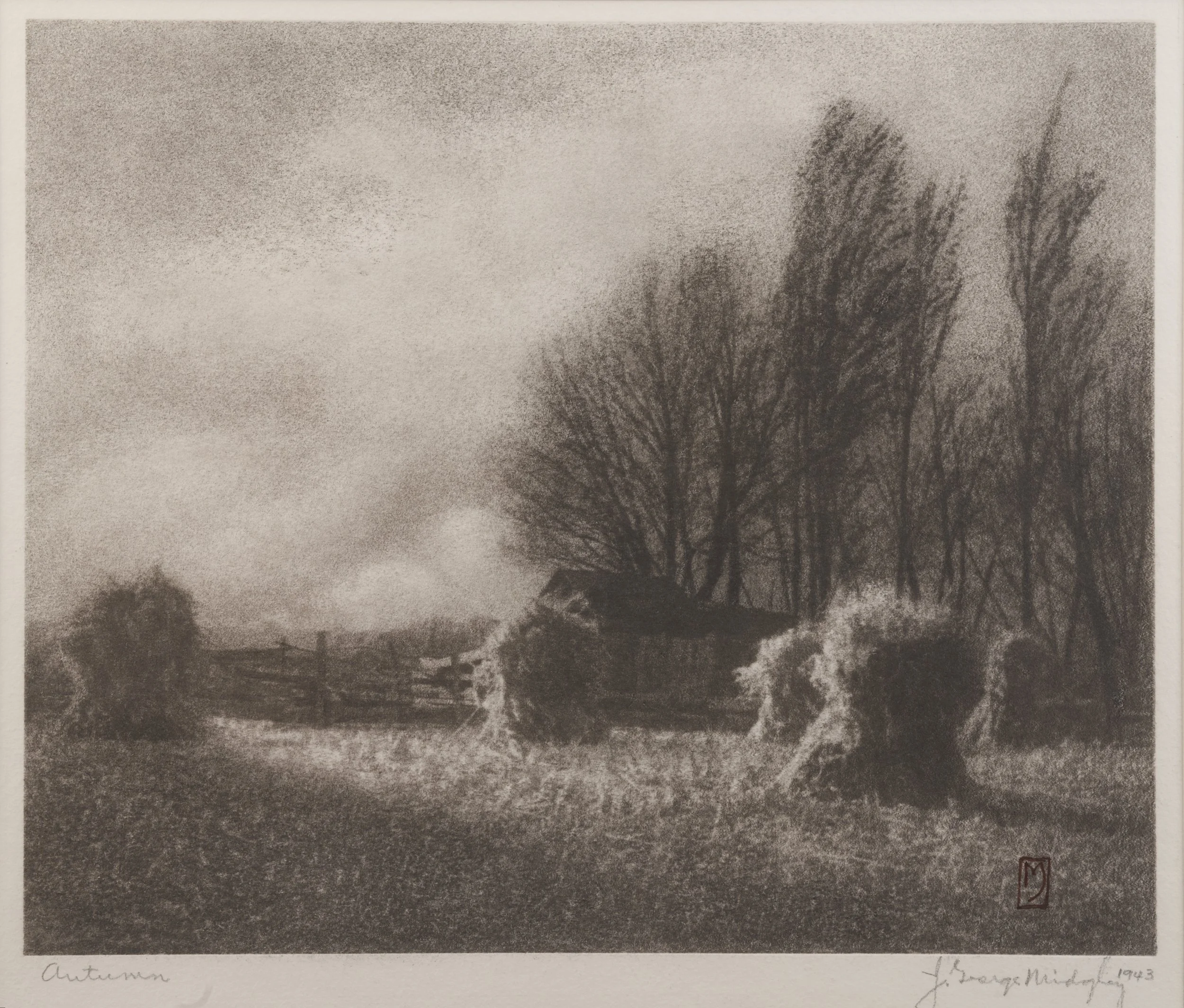
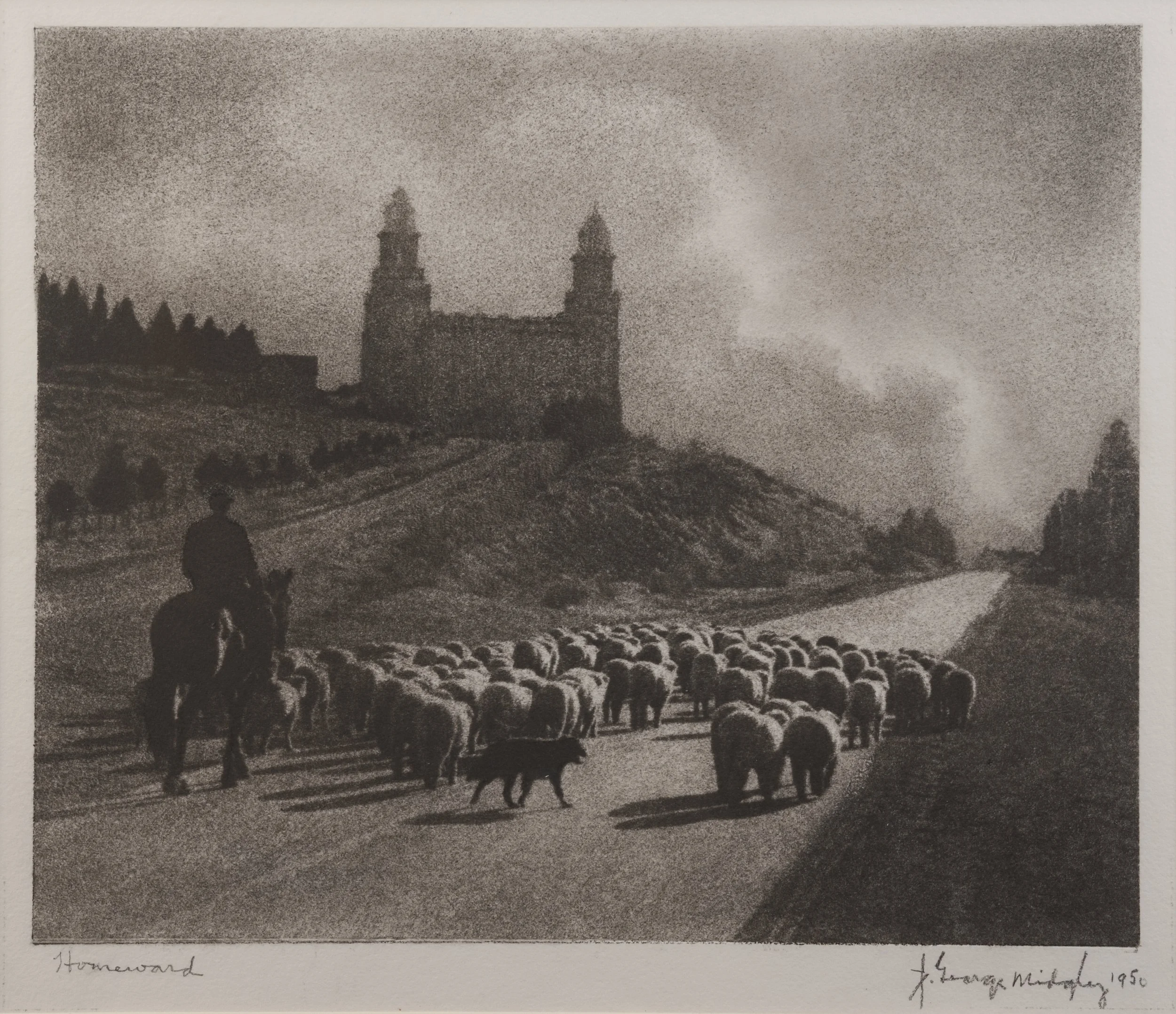
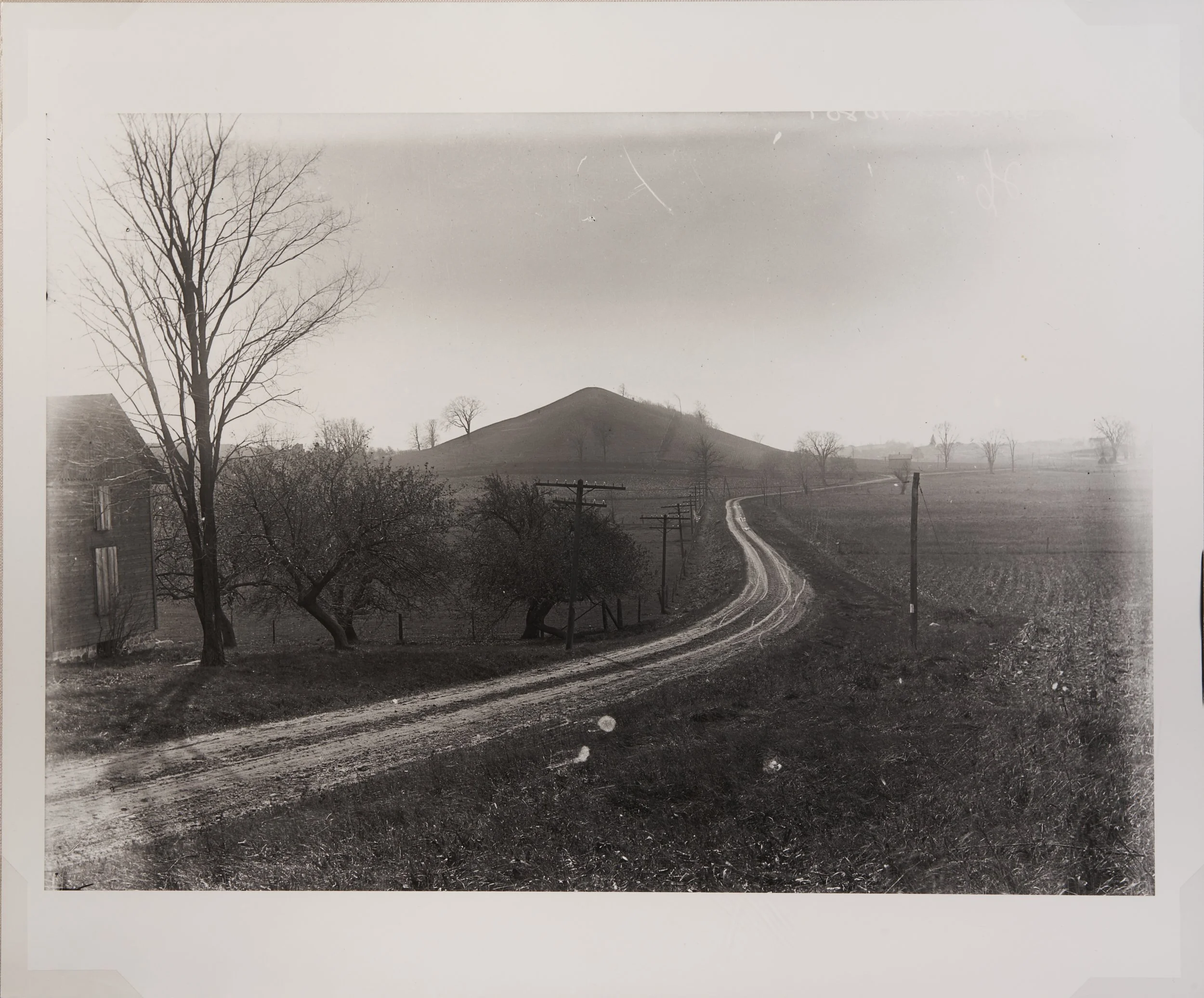
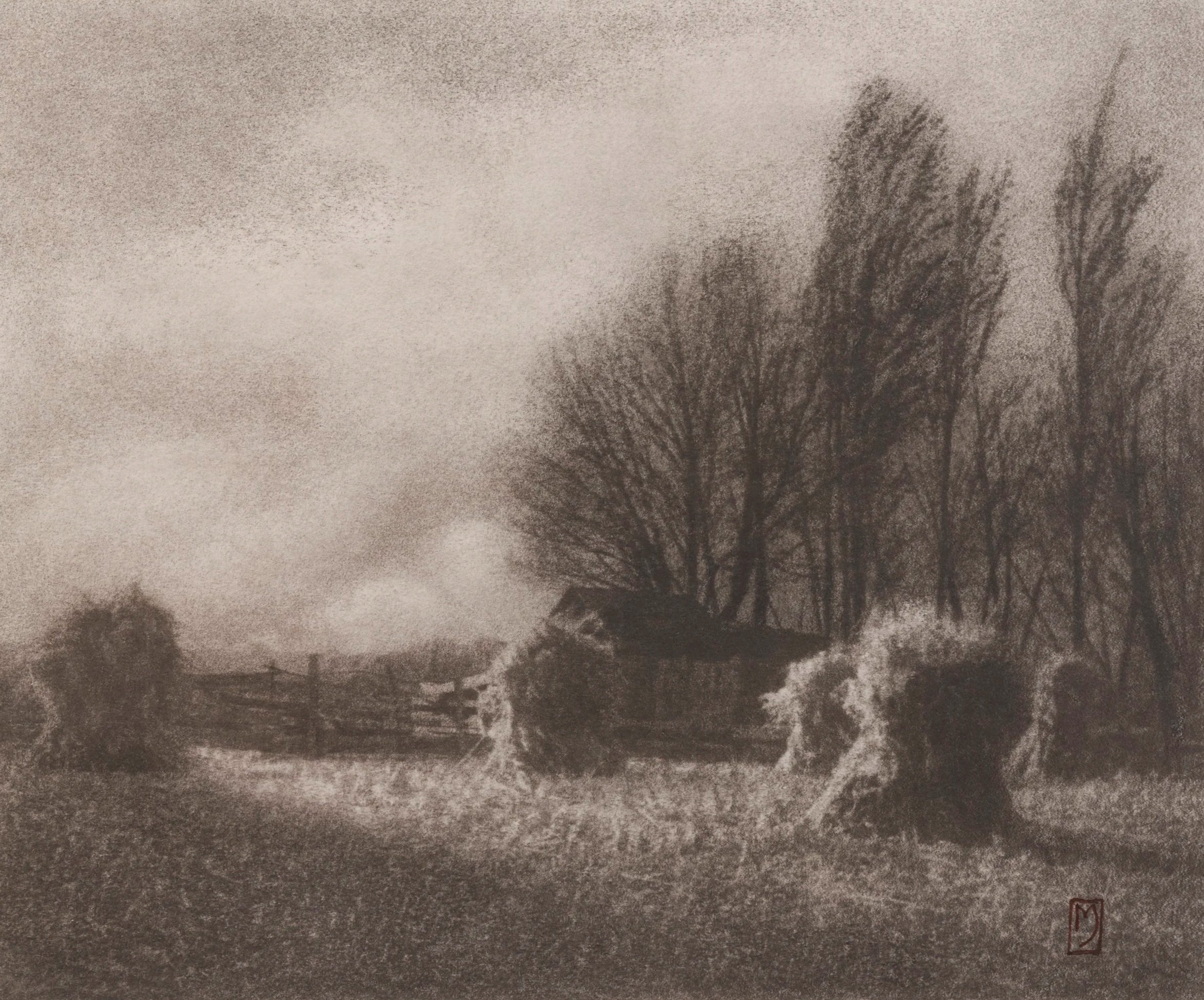
George E. Anderson and J. George Midgley are historically overlooked pioneers of 20th century photography in Utah. Each artist had different technical approaches to the medium of photography and distinct career trajectories but shared the same interest in delineating the “Mormon landscape.” Anderson used the wet plate process to create detailed photographic glass negatives. He focused on portraiture and capturing Latter-day Saint historical sites across the United States. Midgley used bromoil transfer processes to create painterly, atmospheric images. He loved to travel across Utah looking for evocative trees against distant horizons, weathered barns, and reflections in canals and ponds.
For both men, being a photographer was a calling that required an astute eye and sensitivity to the world. Their combined work spanned almost a century of photographic images, widely recognized during their era but lesser-known today. As Utah natives and members of the faith, Midgley and Anderson were true insiders to the Mormon landscape. They believed that they were not just photographing beautiful places or creating art: they were documenting the people, places, and the beauty of Zion.